AB 1536 – Improve Offshore Oil Pipeline Safety
Protect Our Ocean from High-Risk Offshore Oil Pipeline Spills
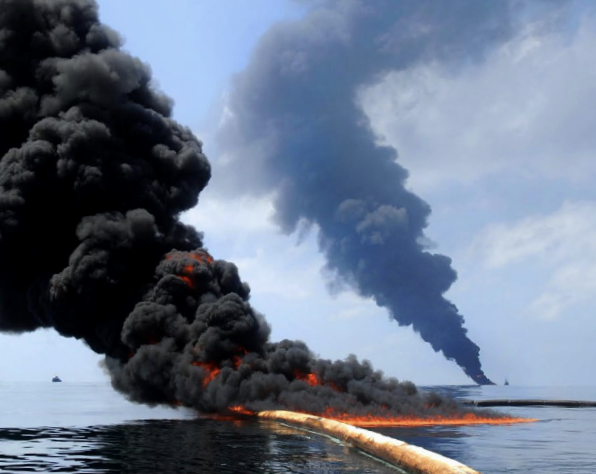
AB 1536 (Addis) would change state law to significantly tighten oversight and safety requirements for aging and high-risk existing oil pipelines near California's coast, particularly those that have already spilled.
Key provisions
-
Pipeline exemptions — tightened. The State Fire Marshal currently can exempt pipelines from safety regulations if risks seem low. This bill flips that — exemptions would only be allowed in genuine emergencies, would require a 60-day public comment period, and would trigger CEQA environmental review.
-
Best available technology — expanded. The existing requirement to use best available spill-prevention technology is extended from just new and replacement pipelines to also cover repaired pipelines. Risk analyses must now be done by an independent expert rather than the pipeline operator itself.
-
Pipelines that have spilled — strict consequences. Any idled or inactive pipeline that has had a reportable spill cannot be reactivated unless it passes rigorous testing, is retrofitted with best available technology, and gets State Fire Marshal certification. If a pipeline has spilled 10,000 gallons or more total, it must be permanently abandoned by July 1, 2027, and the site restored to its natural condition within a year after that.
-
Buffer zone near protected lands. Any pipeline with a cumulative spill history of 10,000+ gallons is prohibited from operating within half a mile of a state park, wildlife area, or ecological reserve.
-
New leak detection requirements. Operators seeking approval for any new well, production facility, or pipeline in the coastal zone must first submit and get approval for a leak detection and response plan.